Introduction
The present road accident situation in Sri Lanka can be summed of by figures that in 2018 and 2019 as there were 3000 people killed 8000 seriously injured and unknown large numbers are falling in to slightly injured category.
We believe that primary issue is that Sri Lankan drivers/riders do not have the ‘defensive driving/riding skills’ and as a result road accidents are increasing day by day. It is high time that government take initiatives to introduce and promote defensive driving/riding skills to all appropriate people in order to mitigate road accidents and save billions of money every year.
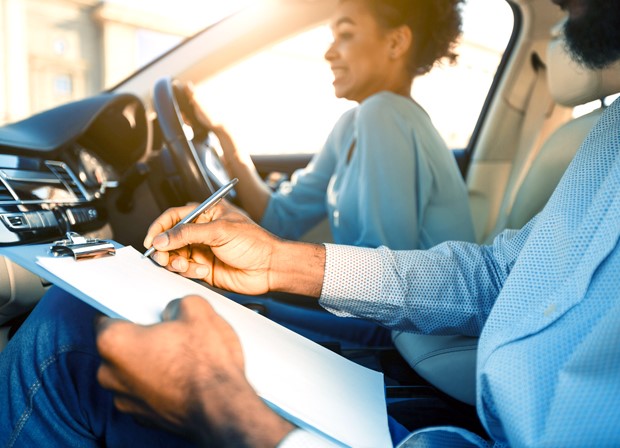
Introduction to Defensive Driving/Riding
Defensive driving/riding is not a well-known, rather popular word in our vocabulary. It is a set of driving/riding skills that allows you to defend yourself against possible collisions caused by bad drivers/riders, drunk drivers/riders, and poor weather. If you look ahead and keep your eyes moving, you will spot potential hazards more easily. Once you have identified a potential hazard and decided what to do, act immediately. Defensive drivers/riders are able to avoid dangers on the road by using their safe driving/riding practices.
Smart and safe driving/riding is an art and science centered act and a fashion of today’s living environment. The mobility of people by using any type of vehicle is a must and no one can control the mobility of the people, but should maintain standards and ethics for the mobility introducing good discipline among citizens in a country not limiting only to the drivers or riders. The training and awareness is much needed besides the infrastructure development and law enforcement.
Defensive driving/riding in simple terms
- Plan ahead for the unexpected
- Be able to control the speed
- Be prepared to react to other drivers
- Do not expect other drivers to do what you think he/she should do
- Respect the users of the roadway
- Be aware of driving in special road and weather conditions
- Be alert and avoid distractions – Mobile use etc
- Expect other drivers/riders to make mistakes and be prepared to react. If a mistake is made, you will be ready to defend yourself.
- Never assume that other drivers are sober, alert, and follow the rules of the road at all times.
The present government manifest gives good direction to the transport sector addressing all priority areas to be improve under short term, medium term and long term plans. Among those plans the proposed project ailing with the concept of “Vistas of Prosperity and Splendor” to modernized the driving/riding society to direction of preventing the road accidents having good ethics and disciplines.
What is assessed during a physical and mental evaluation?

The evaluation of the physical and mental condition of the driver/rider can include computerized testing and sometimes a driving/riding simulator. The following information and skills are evaluated:
- Driving/riding history – this evaluation includes assessment of the frequency, length and reason for trips by the driver/rider and the locations of trips (city or rural)
- The types of roadways used (highways, busy intersections, etc)
- The times of driving/riding (for example driving at night or during rush hours) whether the driver/rider uses another person to help navigate and whether there is another resident who can drive
- The knowledge of the driver/rider about the area and area roadways
- Routine vehicle maintenance history.
- Medicines – the assessment includes information about prescription and non-prescription medicines
- Communication abilities – the assessment includes evaluations of the ability of the driver to read road signs, interpret symbols, and speak
Physical abilities – The assessments include evaluations of vision, hearing, the ability to freely move the body and limbs, strength, coordination and reaction times.